


Stormier Weather Ahead? What Autumn and Winter Could Mean for Your Fencing
- El Niño is strengthening, and the Met Office says it could increase the likelihood of wetter, stormier UK conditions during autumn and early winter.
- Strong winds can expose weaknesses that are already developing in fencing, posts and gates.
- Homeowners and landowners should pay particular attention to boundaries where failure could affect privacy, security, pets, livestock or horses.
Why are forecasters talking about a stormier autumn and early winter?
El Niño has been appearing regularly in the weather headlines this year, and the current event is significant.
El Niño is a natural climate pattern caused by unusually warm sea surface temperatures across the central and eastern tropical Pacific Ocean. Although it develops thousands of miles from the UK, it can influence weather patterns around the world.
The World Meteorological Organization confirmed in September 2026 that El Niño is firmly established and expected to strengthen further, reaching a very strong intensity before peaking towards the end of the year. Its forecasts indicate a near-100% likelihood that El Niño will persist through February 2027.
For the UK, the Met Office says El Niño can increase the likelihood of more unsettled weather later in the year, including wetter and windier conditions during autumn and early winter.
For homeowners, farmers and equestrian property owners, that makes now a sensible time to look at fencing that may already have vulnerable points.
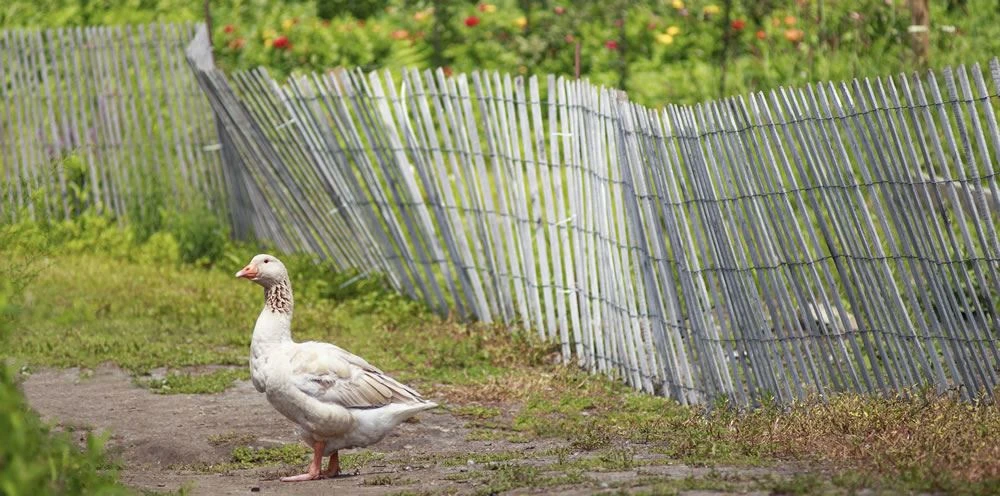
Strong winds can expose weaknesses that are already there
A fence does not need to look close to collapse to have a weak point.
Movement in a post, a damaged panel, a weakened rail or a loose fixing may cause few problems in ordinary conditions. When stronger gusts put additional pressure on the structure, that existing weakness can become much more significant.
Rather than treating every metre of fencing as equally urgent, start with the boundaries where failure would have the greatest consequences.
What should homeowners check around the garden?
Garden fencing may provide privacy, separate neighbouring properties and help keep children or pets safely within the garden. The condition of the fence matters, but so does the job it is doing.
Look for:
- posts or panels that move noticeably when pushed
- sections that have started to lean
- loose boards, fixings or trellis
- heavy shrubs or climbing plants putting pressure on fencing
- overhanging branches that could fall across the boundary
Think about what would happen if that particular section failed. A minor weakness in a low-risk part of the garden may be less pressing than a section keeping a dog away from a road or maintaining security between neighbouring properties.
If you have already spotted damage, Trentwood's existing advice on high winds, winter fence care and fence repairs can provide more detailed guidance on what to do next.
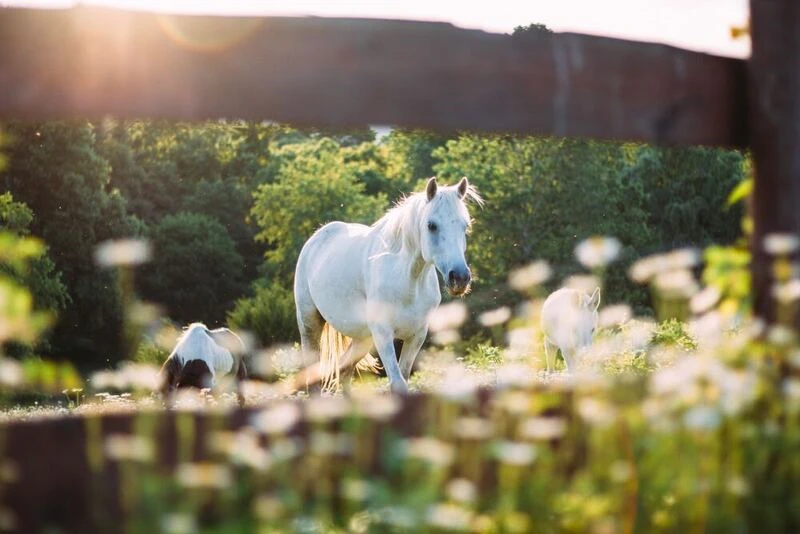
Fields and paddocks have different priorities
For farmers, landowners and horse owners, fencing is often there to contain animals and control access as well as mark a boundary.
A localised weakness can therefore create a more immediate problem if livestock or horses are able to escape, enter another area or reach a road.
It is worth walking important field and paddock boundaries and checking:
- straining and corner posts that keep wire fencing tensioned
- broken or damaged rails in post-and-rail fencing
- stock fencing that has become loose, distorted or damaged
- sections regularly pushed or leaned against by animals
- roadside boundaries
- fencing close to mature trees or vulnerable branches
Long fence runs can be difficult to assess from a gateway or vehicle. Walking the boundary can reveal an individual post, rail or section of wire that is less secure than the rest.
The right priorities will depend on the land, animals and purpose of the fence.
Don't overlook gates and access points
Gates have to move while remaining secure, which means they deserve their own check.
Around the home, look at garden, side and driveway gates that have started to drop, move excessively on their posts or become difficult to latch.
On agricultural and equestrian sites, field and paddock gates may be used repeatedly by people, livestock, vehicles and machinery. Check that the gate still opens and closes correctly, its supporting posts are stable and the fittings and latch remain secure.
If a gate no longer lines up properly or there is noticeable movement in the supporting posts, it is worth finding out why before stronger winds add further pressure.
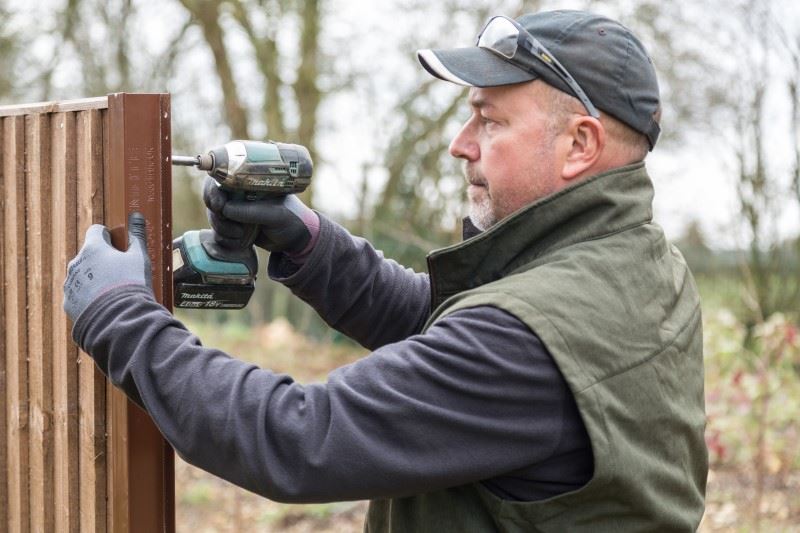
Exposed locations need extra attention
Some fencing naturally experiences more wind than others.
A sheltered garden surrounded by buildings will face different conditions from a property backing onto open countryside, an edge-of-village home or a long fence line crossing open land.
If one part of your property regularly takes the brunt of strong winds, check it carefully for movement, damaged components or signs that the fence is no longer as secure as it should be.
For homeowners replacing fencing in a persistently exposed position, it may also be worth considering whether the fence style, posts and materials are suitable for that location rather than automatically replacing like for like.
Concerned about your fencing before autumn and winter?
Trentwood Fencing installs and repairs fencing and gates for homeowners, farmers, landowners and equestrian properties across Oxfordshire.
Whether you are concerned about a garden boundary, field, paddock or gate, get in touch with Trentwood Fencing to discuss the site and arrange a free, no-obligation quote.